Price Last Updated: September 17th, 2026 at 1:32 PM
Truck & Car Batteries - $0.40
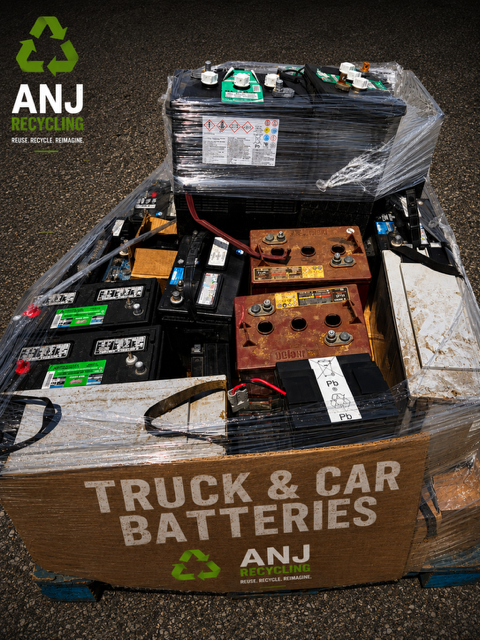
What Are Truck & Car Batteries?
Truck and car batteries are lead-acid batteries designed to provide electrical power for starting engines and supporting vehicle electrical systems. These batteries contain valuable recyclable materials, including lead, plastic, and battery acid components that can be safely recovered through proper recycling processes.
Because of their high lead content and recyclability, used automotive batteries are one of the most commonly recycled automotive materials.
Where Are Truck & Car Batteries Found?
Automotive batteries are found in a wide range of vehicles and are commonly replaced during routine maintenance, repairs, and vehicle upgrades.
Typical sources include:
- Cars and passenger vehicles
- Pickup trucks and commercial trucks
- Buses and fleet vehicles
- Construction and agricultural equipment
- Marine vehicles and recreational equipment
What Determines Their Value?
The value of truck and car batteries is primarily based on their lead content, weight, and overall condition. Since lead is a valuable and highly recyclable metal, used batteries can be processed to recover the lead for reuse.
Battery prices may vary depending on current metal market conditions and the type or size of the battery.
Preparing Truck & Car Batteries for Recycling
Proper handling and preparation are important when recycling automotive batteries due to the materials they contain.
- Keep batteries intact and do not attempt to open or dismantle them.
- Store batteries upright to help prevent leaks.
- Keep batteries separated from general scrap materials.
- Handle damaged or leaking batteries with care.
Why Recycle Truck & Car Batteries?
Recycling automotive batteries allows valuable lead and other materials to be recovered and reused in the production of new batteries and industrial products.
Battery recycling helps prevent harmful materials from entering the environment while reducing the need for new raw material extraction.
- Recovers valuable lead for reuse.
- Reduces hazardous waste from used batteries.
- Supports the production of new battery materials.
- Conserves natural resources through recycling.