Price Last Updated: August 18th, 2026 at 2:49 PM
Stove Coil - $0.40
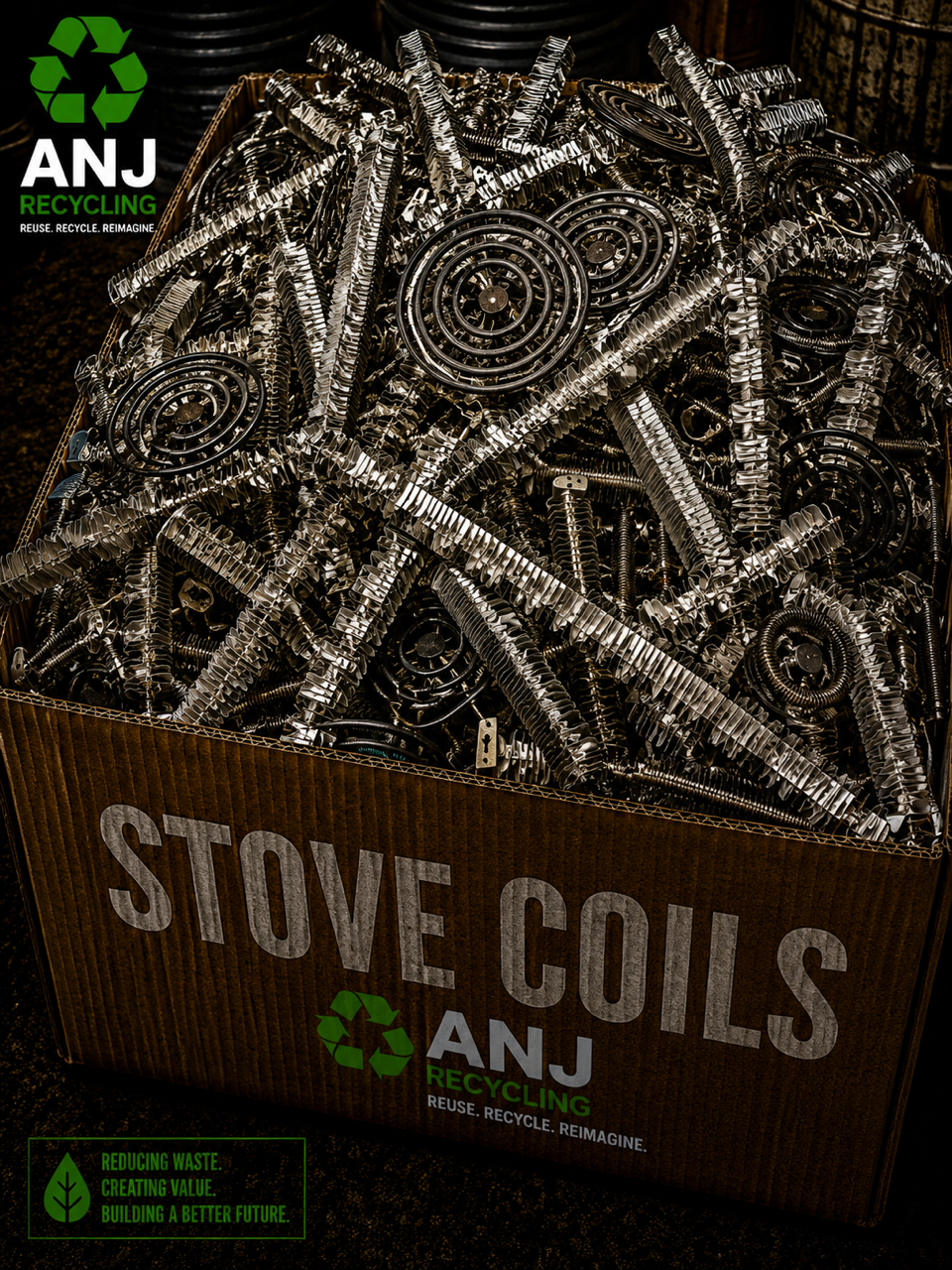
What Are Stove Coils?
Stove coils are heating elements commonly found in electric stoves and cooking appliances. They are designed to generate heat through electrical resistance and are typically made from metal alloys that can withstand high temperatures.
Because stove coils contain recyclable metals, including iron, steel, and other metal components, they can be recovered and processed as a source of scrap material.
Where Are Stove Coils Found?
Stove coils are commonly removed during appliance replacement, kitchen renovations, and the dismantling of older household or commercial cooking equipment.
Typical sources include:
- Electric kitchen stoves
- Ovens and cooking ranges
- Commercial cooking equipment
- Restaurant appliances
- Discarded household appliances
What Determines Their Value?
The value of stove coils depends on their metal composition, weight, and overall condition. Since stove coils may contain a combination of ferrous and non-ferrous materials, proper sorting is important to determine the appropriate recycling category.
Coils with excessive plastic, insulation, or other attached materials may require additional processing before the metals can be recovered.
Preparing Stove Coils for Recycling
Proper preparation helps improve sorting efficiency and ensures the materials can be processed effectively.
- Remove coils from appliances when possible.
- Separate stove coils from larger mixed appliance components.
- Remove excessive dirt, grease, and debris.
- Keep similar metal materials grouped together.
Why Recycle Stove Coils?
Recycling stove coils allows valuable metals to be recovered and reused in new manufacturing applications. Instead of becoming waste, these materials can be processed and returned to the recycling stream.
Recovering metals from old appliances reduces landfill waste, conserves natural resources, and supports more sustainable use of recyclable materials.
- Recovers reusable metal components.
- Reduces waste from old appliances.
- Supports efficient metal recovery and reuse.
- Helps conserve resources through recycling.