Price Last Updated: August 18th, 2026 at 2:49 PM
General E-Waste - $0.18
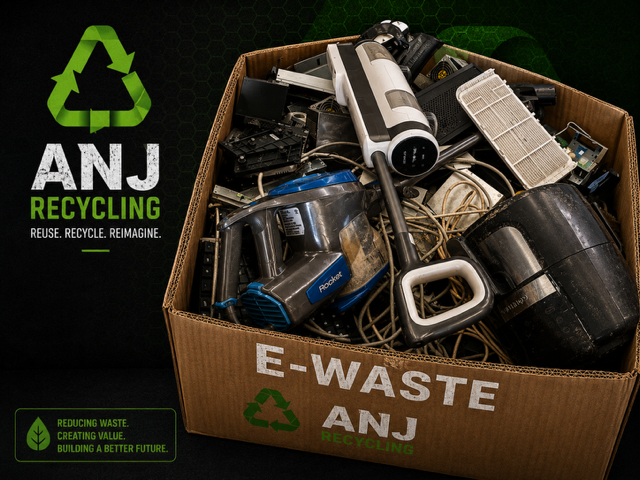
What Is General E-Waste?
General e-waste refers to discarded electronic equipment and devices that are no longer needed, functional, or up to date. These materials contain a combination of recyclable metals, plastics, glass, and electronic components that can be recovered and reused through proper processing.
Electronic waste is one of the fastest-growing waste streams worldwide, making responsible collection and recycling an important part of recovering valuable materials and reducing environmental impact.
Where Is General E-Waste Found?
General e-waste can be found in homes, businesses, industrial facilities, and organizations where electronic equipment is replaced or upgraded. Many everyday devices contain valuable recyclable materials that should not be sent to landfills.
Typical sources include:
- Computers and office equipment
- Televisions and monitors
- Printers and scanners
- Small household electronics
- Industrial and commercial electronic equipment
What Determines Its Value?
The value of general e-waste depends on the type of equipment, quantity, condition, and the amount of recoverable materials it contains. Electronics may contain valuable metals such as copper, aluminum, steel, and small amounts of precious metals.
Because e-waste is made up of many different materials, proper sorting is important to maximize recovery and ensure efficient processing.
Preparing General E-Waste for Recycling
Proper preparation helps improve the recycling process and allows valuable materials to be recovered more effectively.
- Separate electronic equipment from regular household waste.
- Remove batteries and other removable components when possible.
- Erase personal information from computers and storage devices.
- Keep similar electronic items grouped together for easier sorting.
Why Recycle General E-Waste?
Recycling general e-waste allows valuable metals and components to be recovered and reused in new products. Proper processing reduces the amount of electronic waste entering landfills and helps conserve important natural resources.
Responsible e-waste recycling supports sustainable manufacturing, reduces environmental impact, and keeps valuable materials in circulation.
- Recovers valuable metals and electronic components.
- Reduces waste from outdated technology.
- Supports responsible electronic recycling practices.
- Helps conserve resources through material recovery.