Price Last Updated: September 18th, 2026 at 2:38 PM
Copper Brass Rads Clean - $4.44
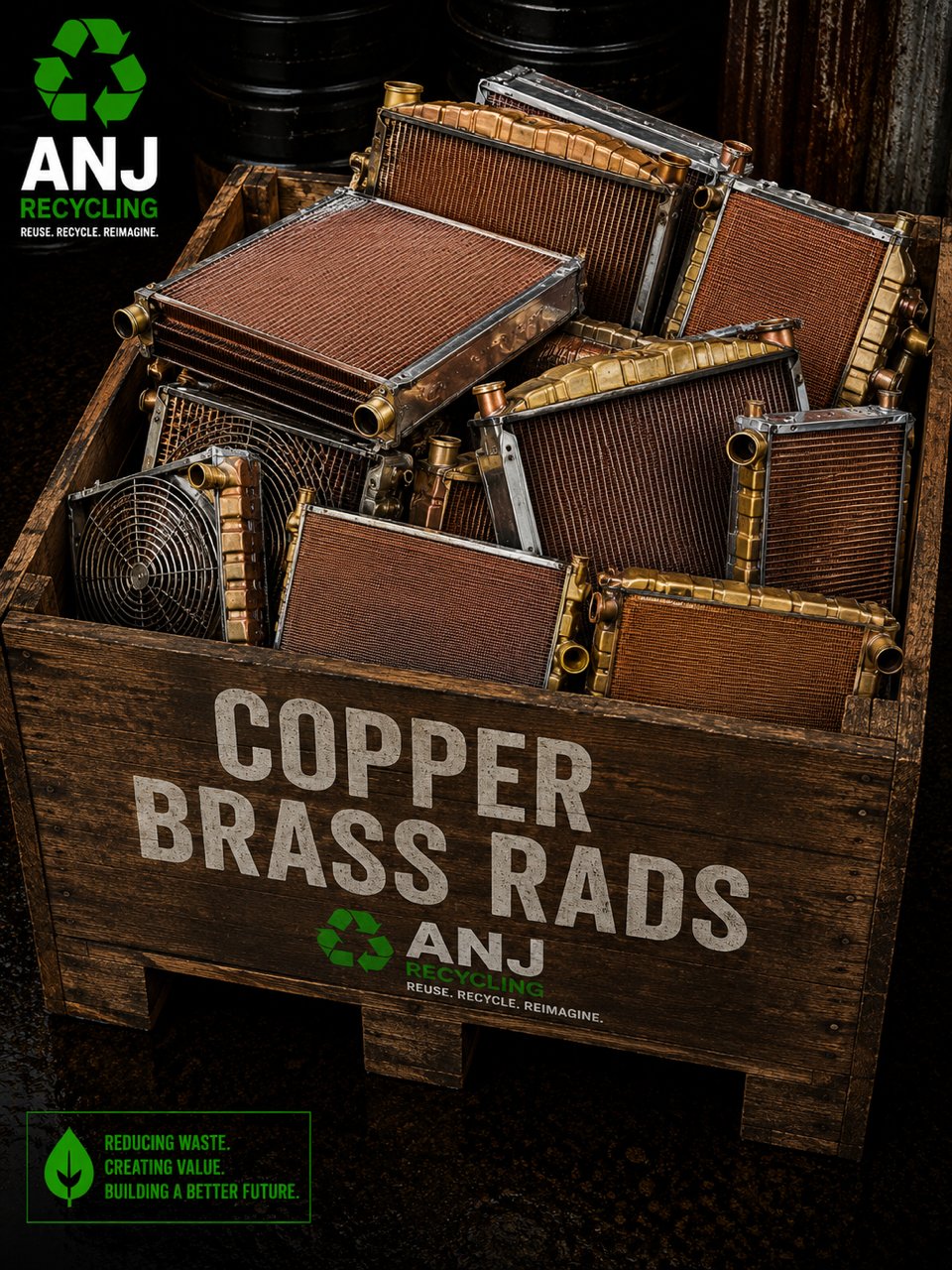
What Are Clean Copper Brass Radiators?
Clean copper brass radiators are heat-transfer components made primarily from copper and brass. They are designed to efficiently transfer heat in automotive, industrial, and commercial cooling systems.
Because they contain valuable copper and brass alloys, clean copper brass radiators are considered a desirable source of recyclable non-ferrous metals.
Where Are Clean Copper Brass Radiators Found?
Copper brass radiators are commonly found in older vehicles, heavy equipment, industrial machinery, and specialized cooling systems. They are often recovered during repairs, equipment replacement, vehicle dismantling, and renovation projects.
Typical sources include:
- Cars, trucks, and commercial vehicles
- Heavy machinery and construction equipment
- Industrial cooling systems
- Generators and mechanical equipment
- Older heating and cooling applications
What Makes a Radiator "Clean"?
Clean copper brass radiators have been separated from unwanted materials such as steel frames, plastic components, rubber attachments, and other contaminants.
Because they contain mostly copper and brass with minimal additional materials, clean radiators require less processing and generally achieve a higher recycling value.
Preparing Copper Brass Radiators for Recycling
Proper preparation helps maintain the quality of the material and improves recycling efficiency.
- Remove steel brackets, frames, and attached hardware where possible.
- Separate copper brass radiators from aluminum and mixed-metal radiators.
- Drain any remaining fluids before recycling.
- Remove excessive dirt, oil, and debris.
Why Recycle Clean Copper Brass Radiators?
Recycling clean copper brass radiators allows valuable metals to be recovered and reused in the production of new industrial and automotive components. Copper and brass can both be recycled repeatedly while maintaining their useful properties.
Recovering these materials reduces the need for new raw resources, lowers waste, and supports more sustainable manufacturing practices.
- Recovers valuable copper and brass alloys.
- Reduces waste from vehicles and industrial equipment.
- Supports reuse of high-value non-ferrous metals.
- Helps conserve natural resources through recycling.