Price Last Updated: August 18th, 2026 at 2:42 PM
Aluminum Transmission / Engine - $0.32
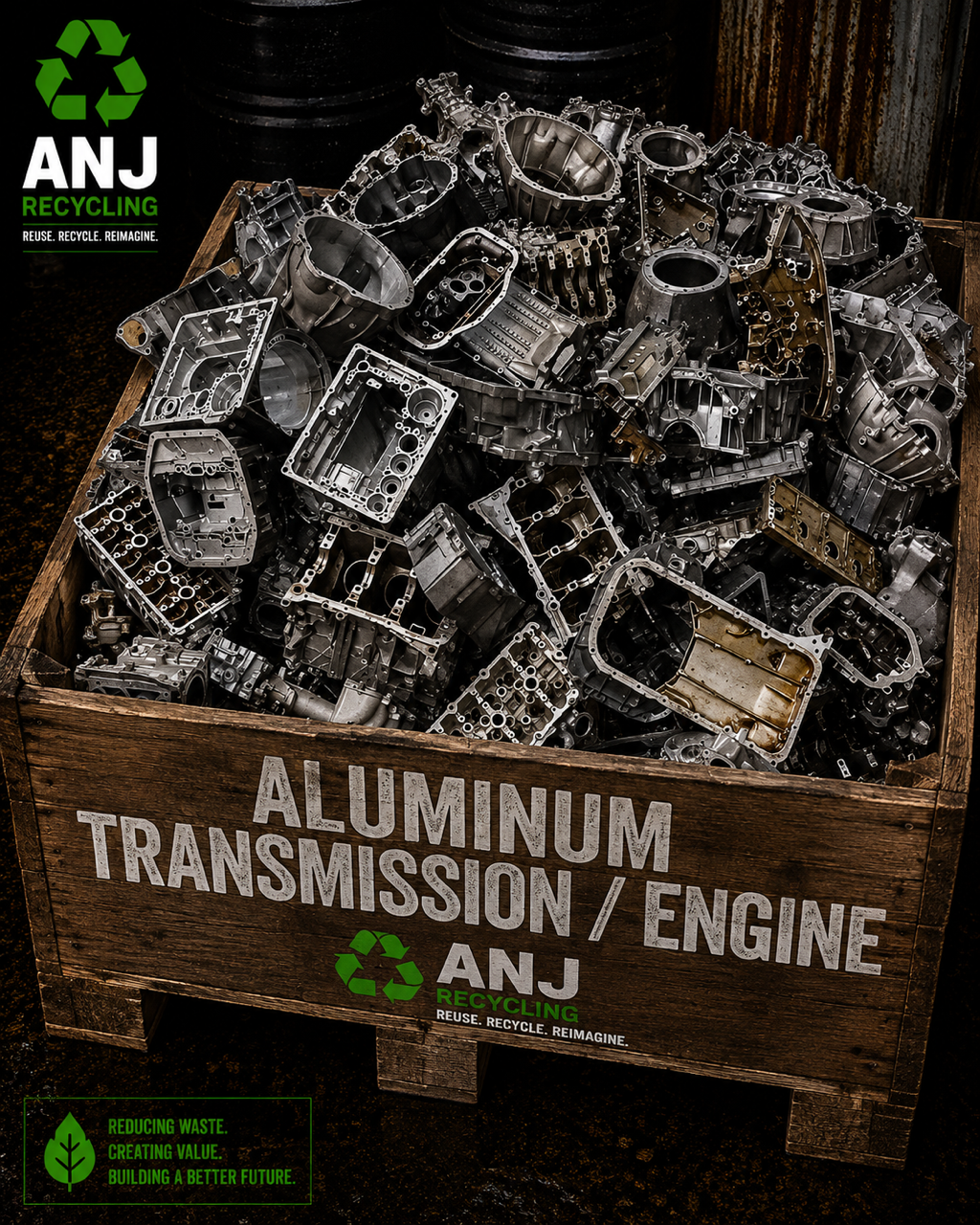
What Is Aluminum Transmission / Engine Scrap?
Aluminum transmission and engine scrap consists of automotive and machinery components made primarily from aluminum alloys. Aluminum is widely used in engines and transmissions because it is lightweight, strong, durable, and helps improve overall efficiency.
These components are a valuable source of recyclable aluminum and are commonly recovered from vehicles, equipment, and industrial machinery.
Where Is Aluminum Transmission / Engine Scrap Found?
Aluminum engine and transmission parts are commonly recovered during vehicle repairs, engine replacements, equipment dismantling, and automotive recycling projects.
Typical sources include:
- Cars and trucks
- Motorcycles and recreational vehicles
- Heavy equipment and machinery
- Automotive engines and transmissions
- Industrial mechanical equipment
What Determines Its Value?
The value of aluminum transmission and engine scrap depends on the amount of aluminum present, the overall weight, and the level of contamination. Clean aluminum components generally require less processing and may receive a higher recycling value.
Materials such as steel parts, rubber, plastic, fluids, and other attached components can affect the grade and require additional separation.
Preparing Aluminum Transmission / Engine Scrap for Recycling
Proper preparation helps improve material quality and makes the recycling process more efficient.
- Drain all oils and fluids before recycling.
- Remove steel, plastic, rubber, and other non-aluminum components where possible.
- Separate aluminum engine and transmission parts from mixed-metal assemblies.
- Remove excessive dirt, grease, and debris.
Why Recycle Aluminum Transmission / Engine Scrap?
Recycling aluminum engine and transmission components allows valuable aluminum alloys to be recovered and reused in the production of new automotive and industrial products.
Aluminum can be recycled repeatedly while maintaining its strength and performance characteristics, making it an important material for sustainable manufacturing.
- Recovers valuable aluminum alloys.
- Reduces waste from automotive and industrial equipment.
- Conserves natural resources and energy.
- Supports efficient reuse of recyclable metals.