Price Last Updated: September 18th, 2026 at 2:38 PM
Alkaline Batteries - $0.25
What Are Alkaline Batteries?
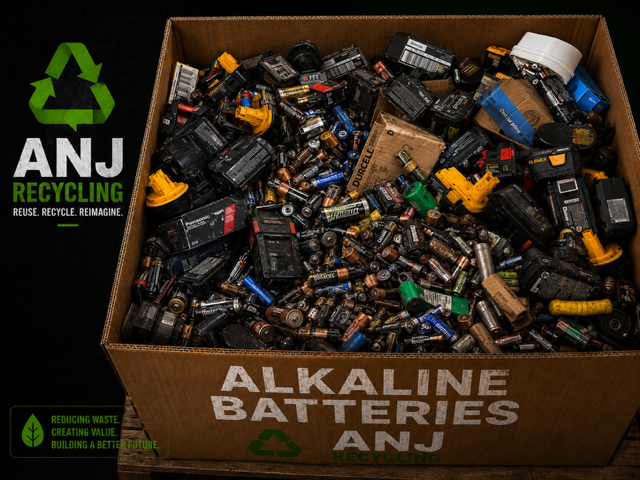
Alkaline batteries are common disposable batteries used to provide power for a wide range of household, commercial, and electronic devices. They are typically made with a steel outer casing and contain materials such as zinc, manganese, and other components that can be recovered through proper recycling processes.
While alkaline batteries do not contain the same amount of valuable metals as some rechargeable battery types, they can still be processed to recover reusable materials and reduce waste.
Where Are Alkaline Batteries Found?
Alkaline batteries are one of the most widely used battery types and can be found in many everyday devices. They are commonly replaced when they reach the end of their useful life.
Typical sources include:
- Remote controls and household electronics
- Toys and gaming accessories
- Flashlights and portable lighting equipment
- Clocks and small appliances
- Office and commercial equipment
What Determines Their Value?
The recycling value of alkaline batteries depends on the materials they contain, the volume collected, and current recycling market conditions. Unlike lead-acid batteries, alkaline batteries generally contain lower amounts of high-value metals.
Proper sorting and collection are important because alkaline batteries are processed differently from rechargeable and automotive battery types.
Preparing Alkaline Batteries for Recycling
Proper handling helps ensure batteries are safely collected and processed.
- Keep alkaline batteries separate from other battery types.
- Do not open, crush, or dismantle batteries.
- Store batteries in a dry location away from moisture.
- Collect larger quantities together for easier handling.
Why Recycle Alkaline Batteries?
Recycling alkaline batteries helps recover reusable materials while reducing the amount of battery waste sent to landfills. The steel casing and other components can be processed and reused in new manufacturing applications.
Responsible battery recycling helps conserve resources, supports efficient material recovery, and reduces the environmental impact of discarded batteries.
- Recovers reusable metal components.
- Reduces waste from household and commercial devices.
- Supports responsible handling of battery materials.
- Helps conserve natural resources through recycling.